





The concept of “shifting left” originates from the Agile method in software development. With incredible efficiency and outcome-focused strategies, the Agile approach has guided software teams around the globe in designing and building the tech we use every day.
In a recent HireBrain workshop, one software engineering leader made the connection and said to us: “HireBrain does for the hiring process what Agile does for great software development.”
Brilliant! But what exactly does he mean? Let’s unpack that:
The Agile method is a project management framework that breaks projects down into phases with continuous feedback and collaboration. It emphasizes the benefits of planning at the beginning and throughout a project as well as careful reflection. You can read more in depth information about Agile methodology here.
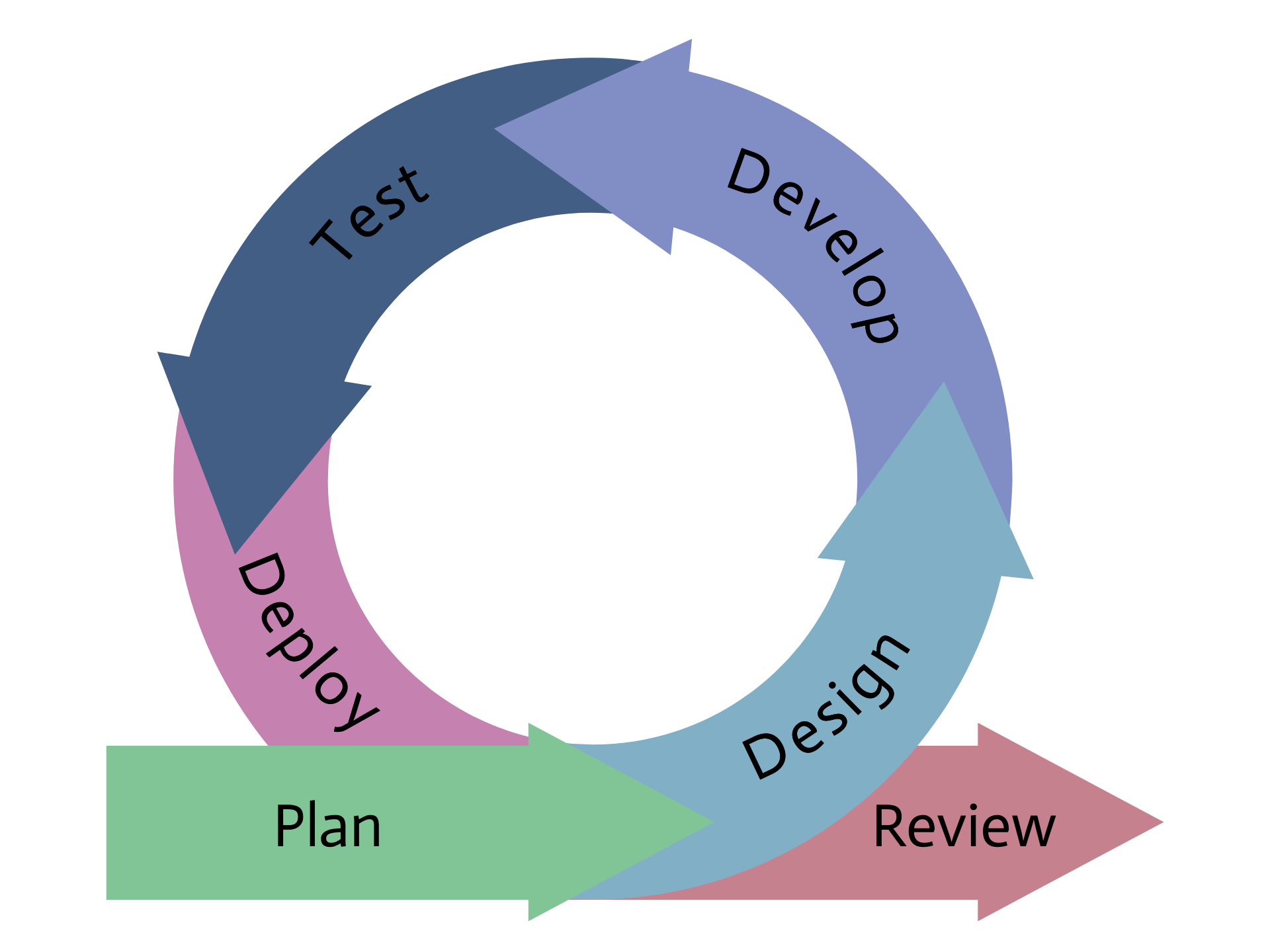
The concept is quite straightforward: plan for success early in the process to save time and money, and avoid hassles later on.
Understanding Shifting Left in Agile Development
In its original context, “shifting left” is an approach to software development in which testing and quality assurance occur early in the process. Agile teams transition certain protocols to the beginning stages of the development lifecycle to enhance efficiency. It enables the development team to find and fix bugs early, creating superior software.
Relevance to Hiring
When hiring, it is tempting to dive in and start “coding” without much planning. There are understandable reasons why that is common: managers are juggling numerous responsibilities and direct reports. In our haste to fill open positions, we might recycle old job descriptions, improvise interview questions, or make emotion-based decisions.
Without planning, new hires (even accomplished professionals) are susceptible to waning engagement or poor performance if they land in a role that is not a great fit. Had hiring managers “shifted left” – they would have embraced the value of planning and incorporating hiring strategies early on, thus mitigating the risks of hasty, poor hiring decisions.
At HireBrain, we equip hiring managers to do meaningful preparation before meeting candidates – saving everyone time, money, reputation damage, and heartache down the road.
Why Shift Left?
The argument for shifting left in both contexts is the ability to save time, and money, and significantly reduce rework. In software development, integrating testing and quality assurance earlier can help identify glitches prior to release, reducing the possibility of a full-system failure.
Similarly, in the realm of hiring, a well-drawn plan and better screening processes upfront ensure the right talent is hired the first time around. This can dramatically cut down on training costs, replacement hiring, and productivity loss.
Advantages of ‘Shifting Left’
- Time-saving: Early testing and thorough vetting accelerate processes by pre-empting problems, saving valuable time. It also reduces the risk of spending more time fixing mistakes after the fact.
- Cost-effective: Identifying issues early (pre-hire) enables problem solving before any major damage. This saves potential rework costs in software development, or costs associated with poor hiring decisions.
- Improved quality: In both scenarios, the processes’ overall quality improves. It delivers superior software and hires the best-suited talent, which elevates organizational performance.
“Shifting left” may have its roots in Agile software development, but it presents a helpful analogy for hiring and recruiting processes. It acts as a preventative strategy that allows teams and organizations to plan, act, and succeed efficiently by investing in the right work early in the process.